






Buy one big suite that does everything? Expensive and inflexible. Composable stacks let you pick the best tool for each job, connect via APIs, and swap parts without rebuilding everything.
1. What is a Composable Martech Stack?
Instead of buying an all-in-one solution (suite), a composable stack combines specialized tools each best at one thing connected through APIs or integration platforms. Example: HubSpot for CRM + Segment for CDP + Buzzebees for Loyalty + Beehexa connecting everything.
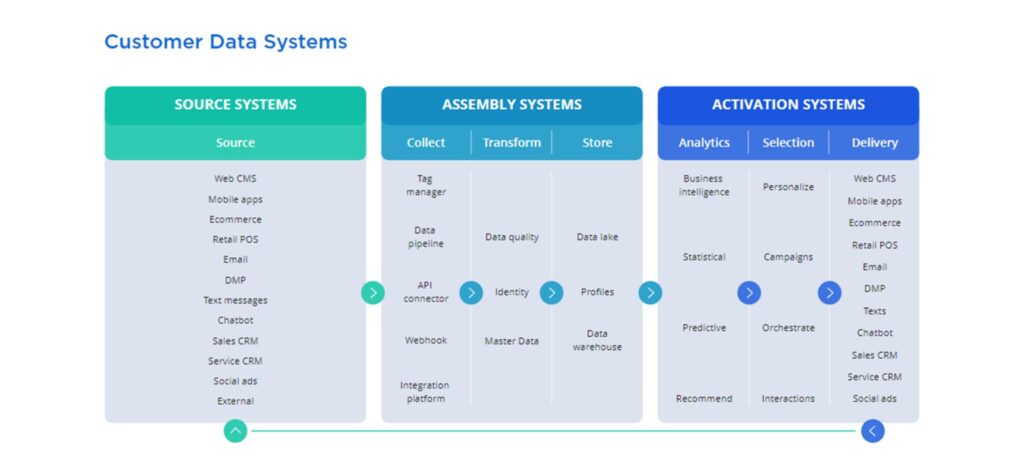
Composable stacks connect best-of-breed tools through APIs for flexibility and scalability
2. Why should SMEs care?
- Flexible cost: Pay for what you use, no lock-in to expensive suites.
- Easy to swap: Replace one tool without affecting the entire system.
- Scale incrementally: Start with CRM + SEO, add CDP and Loyalty when ready.
- Best-of-breed: Each component is the best solution in its category.
3. How Tvia Collab helps design composable stacks
With 15+ strategic technology partners, Tvia Collab helps you: assess needs, select the right tools, design the connection architecture, and manage the implementation project. We don’t sell tools, we consult on choosing the right ones.
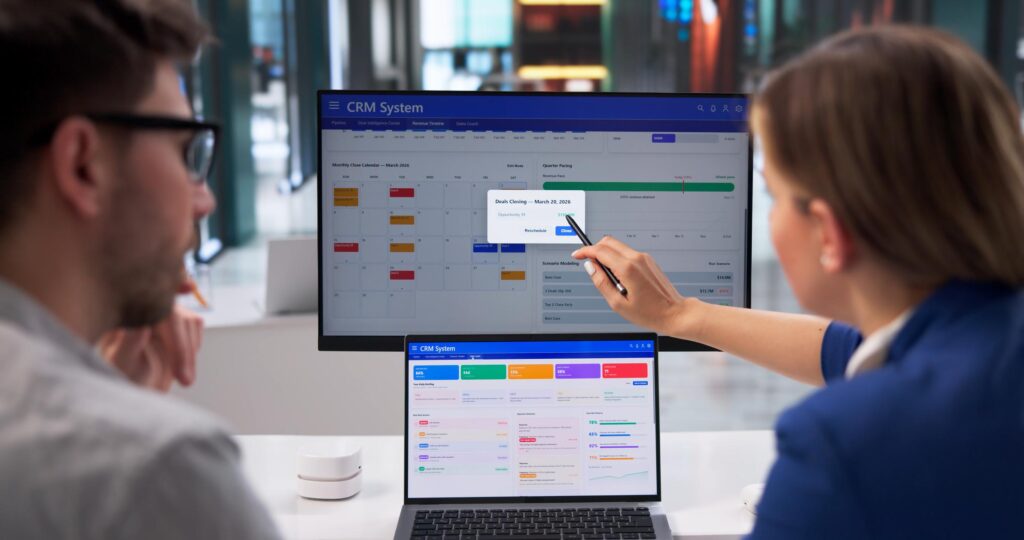
SMEs can combine specialized tools to build a flexible and cost-effective martech stack
4. Frequently Asked Questions
Is a composable stack complex?
More complex than a suite if you do it yourself. But with a consulting partner like Tvia Collab and an integration platform like Beehexa, connection becomes simple and maintenance straightforward.
Where should I start?
Start with CRM + website as the foundation. Then add marketing automation, then CDP/loyalty when you have enough data. A Revenue Ops Healthcheck helps determine the right next step.